


The Tire Pressure Recommended for Safer Drives
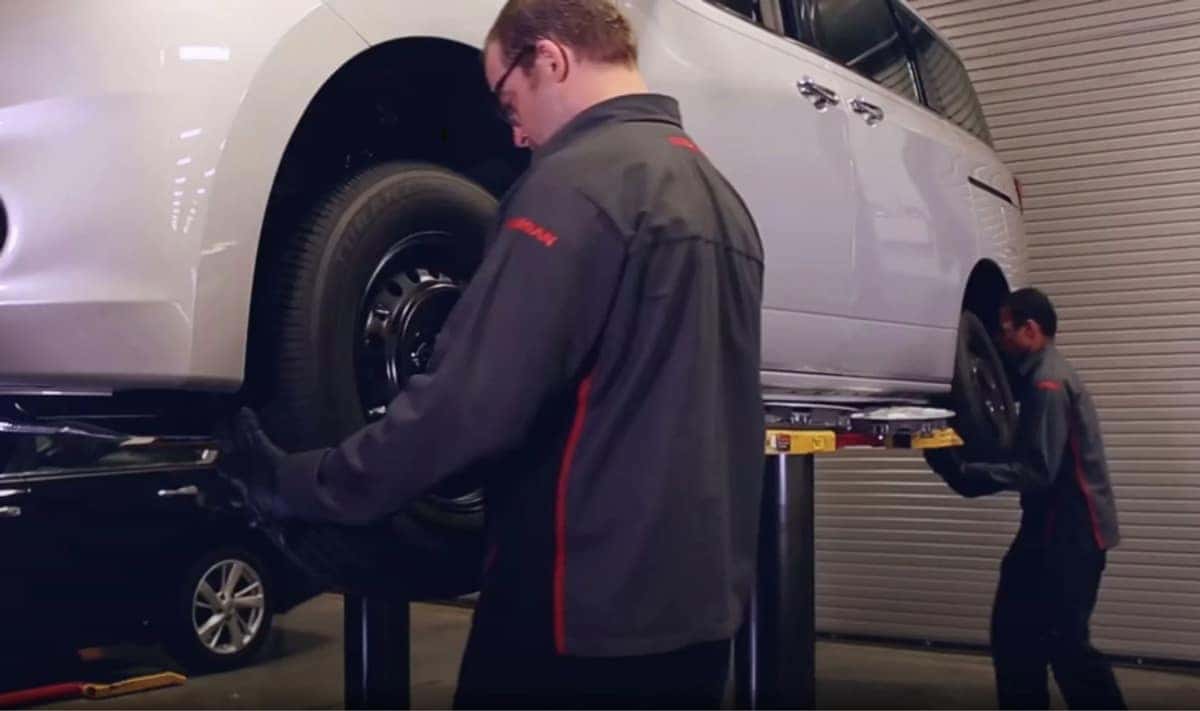
Photo Source/Copyright: NISSAN USA
Nobody gets genuinely excited about checking tire pressure. Fair enough, but the moment your car starts feeling a little mushy in the turns or acts lazy off the line, those four rubber contact patches are usually the main culprits. Getting it right just takes a gauge, two minutes of your time, and the recommended cold pressure for your specific vehicle.
The Door Jamb Wins Every Time
That massive number molded right into the tire sidewall is tempting, but it’s actually the wrong target. Tire manufacturers print the maximum permissible pressure there; the absolute most air that specific tire should ever hold. That exact same tire might end up on twenty different vehicles, so your automaker is the one who sets the correct number for your car.
| Number Source | What It Actually Means | What You Should Do |
|---|---|---|
| Door jamb placard | Your vehicle’s recommended cold pressure | Fill to this exact figure every time. |
| Tire sidewall | The maximum permissible pressure for that tire | Never use this as a target. |
| TPMS warning light | A tire sits 25 percent or more below the placard | Check all tires with a gauge. |
Where to Find Your Placard
Federal rules mandate that the placard lists cold pressures for the front, rear, and spare tires, so one quick look covers everything. Start here:
- Driver’s door jamb: Look for the label on the pillar behind the front door, which Nissan calls the Tire and Loading Information label.
- Owner’s manual: You’ll find the same cold-inflation figures here, alongside a glossary of tire terms.
- Front vs. rear: Keep in mind that some vehicles actually specify a different pressure for each axle.
- The spare tire: This is listed on its own line, or it might just say “none” if your car doesn’t carry one.
Snap a quick photo of it with your phone. That number comes in incredibly handy at the air pump, usually right when you can’t remember it.
How to Check It the Right Way
A cheap gauge works just fine, provided your timing is right. Here’s the best sequence to follow:
- Start cold: Make sure the car has been sitting for at least three hours first.
- Read each tire: Press your gauge squarely onto every single valve stem.
- Compare: Match every reading to the door placard, completely ignoring the sidewall.
- Adjust: Add air in short bursts and recheck between each one.
- Finish up: Screw the valve caps back on tightly and give the spare a check.
If you just finished a long drive, expect a higher reading. That’s completely normal, so there’s no reason to bleed air out. Let the tires cool, then check again.
Hot Afternoons, Cold Mornings
Air naturally shrinks when the temperature drops. Bridgestone estimates the change at roughly one pound for every 10-degree Fahrenheit swing, and Goodyear says it can run closer to two. That’s exactly how tires impeccably topped off in September read low by the first frosty morning.
Tires also seep about a pound of pressure a month on their own. So when your warning light pops on after a cold snap, nothing’s broken. Federal rules set the light to trip once a tire sits 25 percent under the placard, leaving a comfortable margin for you to top off.
Tire Pressure FAQs
Q: Should I fill my tires to the number printed on the sidewall?
A: No. That number is the tire’s maximum, not your daily target. Always go by the placard on your driver’s door jamb.
Q: How often should I really check tire pressure?
A: The NHTSA recommends checking once a month and right before any long road trip. Since tires lose about a pound a month just sitting there, a monthly habit keeps you ahead of it.
Q: Does the spare tire use the exact same pressure?
A: A full-size spare follows the placard. However, a compact temporary spare is different, and Nissan specifies 60 psi for its T-type spares.
Get Your Tires Checked
The warning light won’t go off? Noticing some uneven tread wear? Bring your vehicle to us, and our service team will check the pressure, hunt down any leaks, and get you safely back on the road. Schedule a visit today.