


Electric Car Maintenance Made Simple and Affordable
Mastering EV Car Maintenance
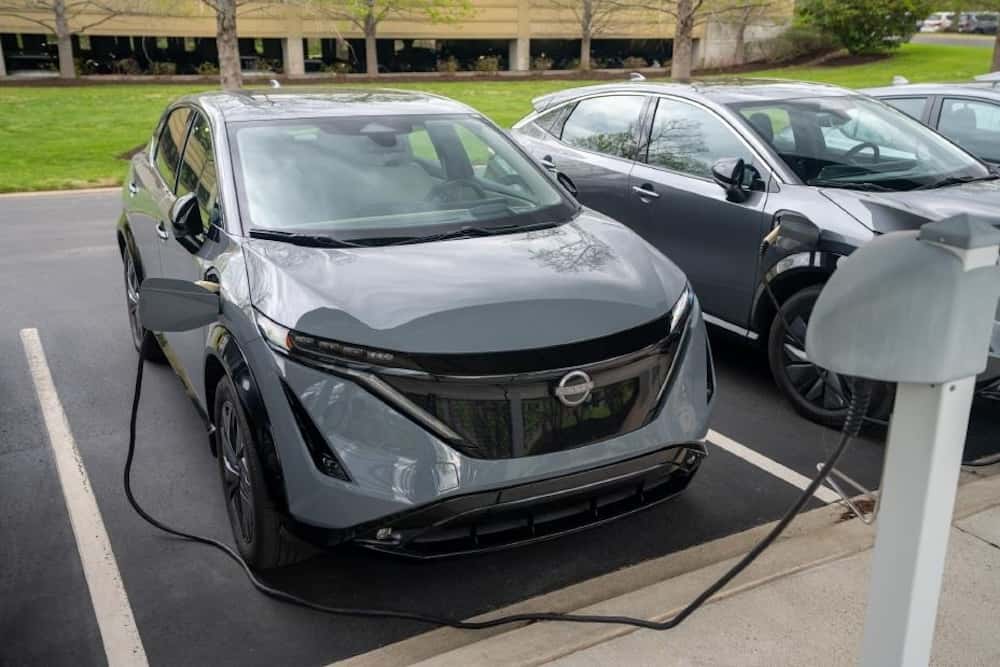
The automotive landscape is shifting, and electric vehicles (EVs) are leading the charge. As more drivers in Webster transition to the eco-friendly power of the Nissan LEAF and the resourceful Nissan Ariya, a common question arises: How do I maintain an electric car?
Owning an EV comes with a lot of perks, including zero tailpipe emissions and drastically lower fueling costs. Perhaps the greatest advantage, however, is the simplicity of the drivetrain. With fewer moving parts and no internal combustion engine, your trips to the mechanic will be fewer and farther between. Here is your essential guide to EV car maintenance at Vision Nissan Webster.
How EV Maintenance Differs from Traditional Cars
The beauty of an electric vehicle lies in what it doesn’t have. Say goodbye to:
- Oil changes and oil filters
- Spark plugs and timing belts
- Exhaust systems and catalytic converters
In a traditional car, hundreds of moving parts create friction and heat, leading to inevitable wear. In contrast, an EV’s motor is graciously simple, which translates to higher long-term reliability and lower repair costs.
Protecting the Core: Battery Maintenance
The lithium-ion battery is the heart of your Nissan. While these batteries are designed to last 8–15 years, proper habits can increase their lifespan:
- The 20/80 Rule: For daily driving, try to keep your charge between 20% and 80%. Save the 100% “full tank” for long road trips.
- Temperature Control: Extreme heat is the enemy of battery chemistry. Whenever possible, park in the shade or a garage.
- Charging Habits: While DC fast chargers are convenient, frequent use can stress the battery. Rely on Level 2 charging for your primary needs.
Nissan models like the Ariya feature advanced Battery Management Systems to help regulate temperature and health automatically.
Tires and Brakes: The EV Difference
Because EVs are heavier than gas cars (due to the battery) and provide instant torque, they can be tougher on tires.
- Tire Rotations: Aim for a rotation every 5,000 to 7,500 miles to ensure even wear.
- Regenerative Braking: This system uses the motor to slow the car, capturing energy to recharge the battery. This means your brake pads can last up to 70,000 miles! However, annual inspections are still vital to check fluid levels and hardware.
Fluids and Filters
“No oil” doesn’t mean “no fluids.” Your Nissan EV still requires:
- Cabin Air Filters: Replace every 1–2 years to keep your air fresh.
- Coolant Systems: Critical for keeping the battery at the right temperature.
- Windshield Fluid: Check and top off regularly for clear visibility.
Software: The Modern Tune-Up
Today’s EVs are basically computers on wheels. Keeping your Over-the-Air (OTA) updates current is the modern version of a tune-up. These updates can improve battery efficiency, refine driver-assist features, and update navigation maps without you even visiting the shop.
Why Choose Vision Nissan Webster?
When your vehicle does need attention, you want experts who speak “Electric.” Our certified technicians are specifically trained in:
- High-voltage system diagnostics
- EV battery health reports
- Regenerative braking calibration
Proper maintenance ensures a higher resale value, a safer drive, and the lowest possible total cost of ownership.
Ready to experience the future of driving? Schedule your service appointment or visit Vision Nissan Webster today to test drive the Nissan Ariya and see how easy EV ownership can be!
More from Vision Nissan Webster
Why The Nissan Kicks SV Is A Steal
Photo Source/Copyright: Edmunds Most small-SUV shoppers aren’t looking for the most expensive trim on the lot, but they definitely want to avoid feeling like they bought a stripped-down base configuration. In the Nissan Kicks lineup, the SV trim hits that exact sweet spot. Sitting cleanly between the entry-level S and the top-tier SR, the…
Mastering Your Nissan Ariya Range for Maximum Miles
Photo Source/Copyright: [INSERT] Two hundred and five miles at the low end. Three hundred and four at the top. That’s the full spread for the Nissan Ariya, and where any specific electric vehicle (EV) lands comes down to three main variables: the battery pack, the motor setup, and wheel size. Most range guides stop…
Explore Trails with the 2026 Nissan Pathfinder Rock Creek
Photo Source/Copyright: Nissan USA If you look closely at the 2026 Pathfinder lineup, the Rock Creek stands apart immediately. While standard trims rely on a 284-horsepower V-6, the Rock Creek tunes that same 3.5-liter engine to deliver 295 horsepower and 270 pound-feet of torque. Nissan doesn’t build a PRO-4X version of the Pathfinder, so…